Eco-Friendly Practices: Driving Change with Bulk Container Recycling
Wiki Article
Reliable Industrial Recycling Solutions for Sustainable Product Packaging: A Comprehensive Overview
In today's progressively environmentally-conscious globe, the demand for lasting product packaging solutions has never been higher. To fulfill this need, companies across industries are actively seeking effective commercial recycling solutions. Nonetheless, browsing the facility landscape of sustainable packaging can be challenging without a detailed overview. That's where this extensive overview on efficient industrial recycling services for lasting packaging comes in. By exploring key locations such as product packaging material selection, designing for recyclability, implementing reusing framework, teaming up with reusing companions, and monitoring and determining recycling success, this overview will outfit you with the expertise and devices needed to make educated choices and drive positive adjustment within your organization. Whether you're a packaging specialist, sustainability manager, or simply interested in the subject, this guide will certainly supply important insights and approaches to assist you navigate the globe of sustainable product packaging.Product Packaging Product Choice
The option of product packaging products plays a crucial function in ensuring the sustainability of industrial recycling solutions. The choice of materials is essential in reducing environmental influence and taking full advantage of recycling effectiveness when it comes to lasting packaging. Choosing the right materials can assist minimize waste generation, conserve sources, and advertise a round economic climate.One crucial element to consider in product packaging product choice is recyclability - industrial packaging solutions. Materials that can be conveniently reused and incorporated back into the production cycle are chosen. As an copyrightple, products like cardboard, paper, glass, and specific kinds of plastics can be reused multiple times without shedding their high quality. On the various other hand, materials that are difficult to reuse, such as non-recyclable composites or blended plastics, can create obstacles for the recycling procedure and may wind up in incinerators or land fills.
An additional factor to consider is the use of eco-friendly and sustainable products. Product packaging made from renewable sources, such as plant-based plastics or biopolymers, can aid decrease reliance on nonrenewable fuel sources and minimize environment modification. In addition, biodegradable materials break down normally over time, lowering the accumulation of waste in landfills.
In addition, the weight and quantity of packaging materials must be decreased to reduce transportation costs and energy usage. Light-weight products not just call for less sources throughout production but also add to lower carbon exhausts during transport.
Creating for Recyclability
Product packaging developers ought to prioritize the usage of materials that are widely approved for reusing and have actually established reusing facilities. Materials such as glass, aluminum, and certain kinds of plastic, like Family pet and HDPE, are typically reused and need to be chosen over materials that are expensive or difficult to reuse.One more critical consideration in designing for recyclability is the removal of unnecessary parts or products. By reducing the variety of layers, finishings, and additional elements, packaging can be made simpler and much easier to recycle. In addition, designers must aim to lower making use of combined materials, as they can make complex the reusing process.
Implementing Recycling Facilities
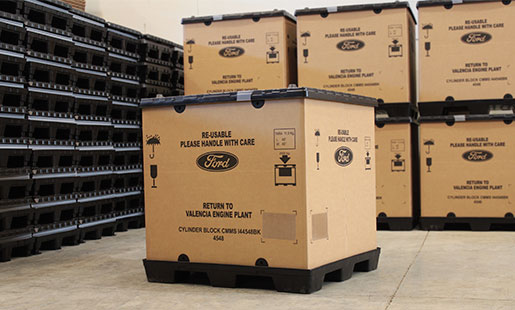
Reliable implementation of reusing infrastructure is essential for the success of commercial recycling services. Without proper framework in position, the recycling procedure becomes ineffective and ineffective, preventing the overall goal of lasting product packaging.To apply recycling facilities properly, a number of vital factors require to be considered. First of all, there need to be a well-organized collection system that helps with the separation and collection of recyclable products. This can include marked reusing bins in public areas, along with collaborations with waste administration firms for curbside pick-up and sorting.
Once collected, the recyclable materials need to be transferred to recycling centers in a prompt fashion. This calls for reliable logistics and transportation networks, making certain that the products get to the proper centers immediately.
At the reusing centers, progressed sorting and handling modern technologies need to remain in area to separate different kinds of materials efficiently. This includes the use of automated arranging equipments, optical scanners, and hand-operated sorting methods.
Moreover, there must be a robust market need for recycled materials. This can be achieved through collaborations with manufacturers and sectors that utilize recycled materials in their manufacturing processes. Creating a secure market for recycled products incentivizes the recycling industry and advertises the circular economy.
Collaborating With Recycling Allies
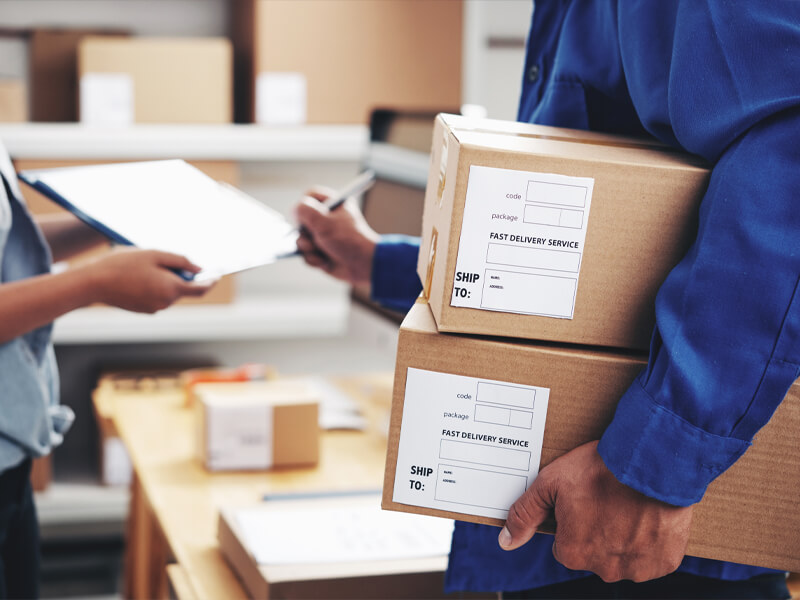
One secret facet of teaming up with recycling companions is the facility of clear communication networks. It is essential to develop open lines of communication to help with the exchange of details, updates, and comments. This allows both events to stay educated regarding the progress of reusing initiatives and attend to any type of obstacles or problems that might occur.
In addition, collaboration can entail joint efforts in designing and carrying out recycling programs. Recycling companions can provide useful insights and support in creating reliable collection systems and identifying the most proper recycling technologies. By interacting, organizations and reusing companions can optimize the recycling process and minimize waste.
In addition, cooperation can expand beyond the operational facets of reusing. It can also incorporate advocacy and education efforts. By signing up with pressures, companies and recycling companions can elevate recognition about the significance of reusing and advertise the fostering of lasting packaging methods amongst customers and various other stakeholders.
Monitoring and Measuring Recycling Success
To make sure the performance of commercial reusing options and the success of lasting packaging goals, it is critical for organizations and their reusing companions to develop a comprehensive system for tracking and measuring recycling success (bulk container recycling). Gauging and tracking recycling success enables companies to evaluate the effect of their recycling efforts, identify locations for renovation, and established significant targets for future developmentOne way to track recycling success is through using information collection and evaluation devices. By collecting data on the amount of packaging waste generated, the percentage of waste that is reused, and the kinds of products being reused, organizations can gain useful understandings into their recycling performance. This information can after that be analyzed to identify patterns, patterns, and locations of inadequacy.
One more essential aspect of monitoring and determining recycling success is developing clear and standard metrics. This permits services to compare their efficiency versus industry criteria and track their development over time. Metrics such as reusing rates, waste diversion prices, and greenhouse gas discharges can offer a measurable procedure of a service's recycling success.
Verdict
Finally, executing efficient commercial recycling services for sustainable product packaging needs careful factor to consider of packaging product choice, making for recyclability, carrying out recycling framework, collaborating with reusing partners, and monitoring and measuring recycling success. By including these practices, companies can add to a much more lasting and environmentally-friendly approach to packaging, reducing waste and promoting the round economic climate.By discovering essential locations such as packaging product option, developing for recyclability, applying recycling facilities, teaming up with recycling companions, and tracking and determining reusing success, this overview will furnish you with the expertise and tools needed to make enlightened decisions and drive positive modification within your company. Product packaging designers need to focus on the use of materials that are commonly approved for reusing and have actually established recycling facilities.Partnership with reusing companions is necessary for the effective execution of industrial recycling services and the accomplishment of lasting packaging goals. By joining pressures, services and reusing companions can elevate awareness about the value of reusing and advertise the adoption of sustainable product packaging methods amongst customers and various other stakeholders.
By accumulating information on the quantity of packaging waste generated, the portion of waste that is recycled, and the types of materials being reused, businesses can get beneficial understandings right into their reusing performance.
Report this wiki page